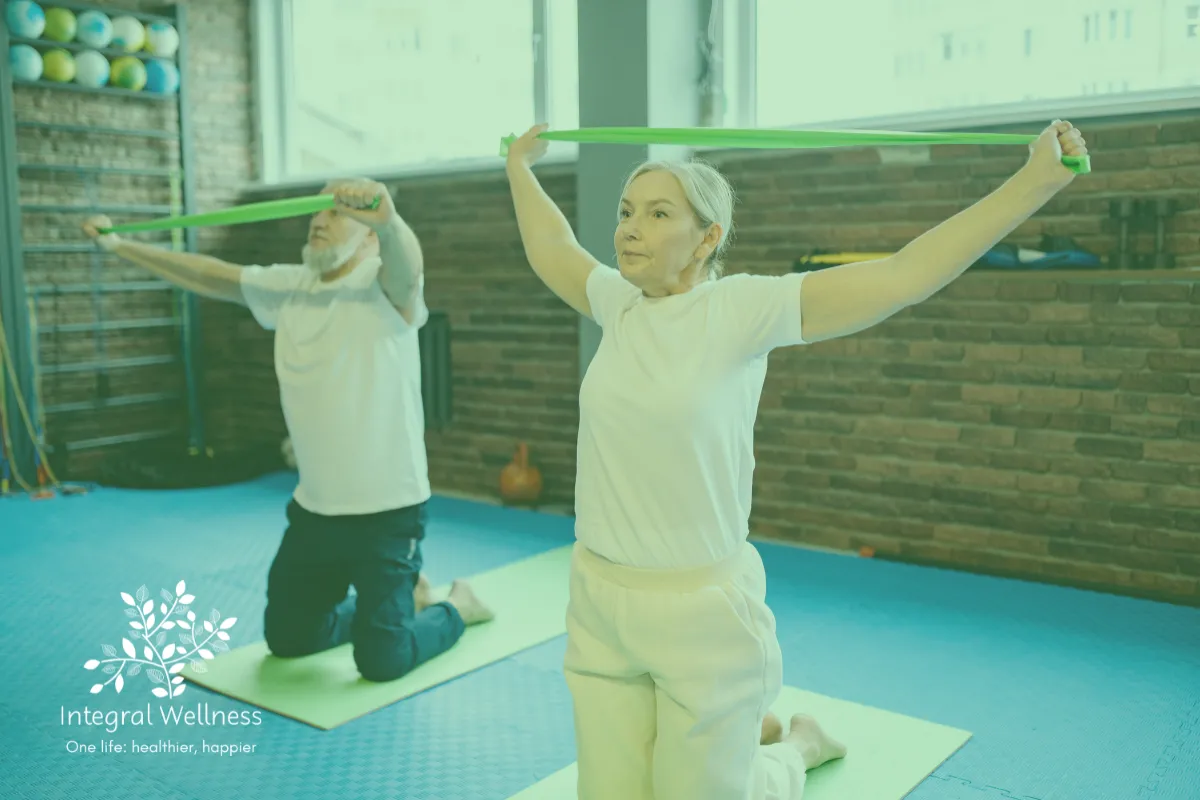
Why Strength Training After 50 Is the Key to Staying Independent
Many people believe that losing strength is inevitable. But in most cases, it is not age that drives the decline. It's inactivity.
After the age of 30, adults begin to lose muscle mass through a process called sarcopenia. If nothing is done to counter it, this loss speeds up after 50.
The effects go far beyond weaker muscles. Strength loss impacts balance, metabolism, joint stability, and the ability to handle everyday tasks with confidence.
The most important takeaway is very simple: this process can be slowed, and often improved, with the right approach.
Why Strength Matters More Than You Think
For adults over 50, strength training is not about chasing performance or lifting heavy weights. It is about maintaining independence and quality of life.
Think about your daily routine:
Standing up from a chair
Carrying groceries
Climbing stairs
Getting up from the floor
These are basic life movements. They all rely on strength, coordination, and stability.
When those abilities decline, life becomes more difficult and sometimes risky.
Strength training rebuilds the foundation that keeps these movements safe and manageable.
The Hidden Benefits of Strength Training
Building muscle is only part of it. There is so much more.
Better energy and metabolism
Muscle is active tissue. It helps regulate blood sugar and supports metabolism. Maintaining muscle often leads to more stable energy throughout the day.
Healthier joints
Strong muscles support and stabilize joints like the knees, hips, and shoulders. This reduces strain and lowers the risk of injury.
Improved balance and stability
As strength improves, so does balance. This is critical because falls are one of the most common causes of injury in older adults.
More confidence in movement
When you feel stronger, you move with more confidence. That carries into everyday life.
A Simple Way to Start
Strength training does not need to be complicated. Simple is often better.
A well-rounded routine should focus on movements that reflect real life:
Squats to strengthen the legs and improve sitting and standing
Push movements like wall or incline push-ups for upper body strength
Pulling exercises such as rows to support posture
Core stability work to protect the spine
Balance exercises to improve control and coordination
These movements train the body as a whole, not just isolated muscles.
Action Plan: Your First 4 Weeks
If someone is starting from scratch, here is a simple and safe structure.
Frequency
Train 2 to 3 times per week
Session structure
5 minutes of gentle warm-up such as walking or marching in place
20 - 25 minutes of strength exercises
5 minutes of stretching or mobility work
Sample beginner routine
Perform each exercise for 8 to 12 repetitions. Repeat the circuit 2 times.
Sit to stand from a chair
Wall push-ups
Seated or band rows
Standing knee lifts for core
Heel to toe balance walk
Key focus
Move slowly and with control. Quality matters more than quantity.
The Role of Consistency and Progression
Consistency drives results. Two or three sessions per week can create noticeable changes within a few months.
Progression is the next step. As exercises begin to feel easier, small adjustments can be made:
Add a few repetitions
Increase time under tension
Use light resistance like bands or dumbbells
Improve balance challenges
Progress does not need to be aggressive. Small improvements add up quickly.
The Biggest Barrier Is Uncertainty
For many adults over 50, the main challenge is not physical ability. It is not knowing where to start or how to do it safely.
This is where guidance makes a difference. A structured program removes the guesswork and ensures the right balance between strength, mobility, and recovery.
Support also builds confidence, which is often the missing piece.
The Real Goal
The goal is not perfection or extreme workouts.
The goal is to move well, stay independent, reduce the risk of injury, and feel capable in your own body.
Strength training is one of the most effective tools for healthy aging. It supports muscles, bones, metabolism, balance, and confidence.
And most importantly, it allows people to keep doing the things they enjoy with energy and freedom.
Simple Takeaway
Do something.
Do it consistently.
Keep it simple.
