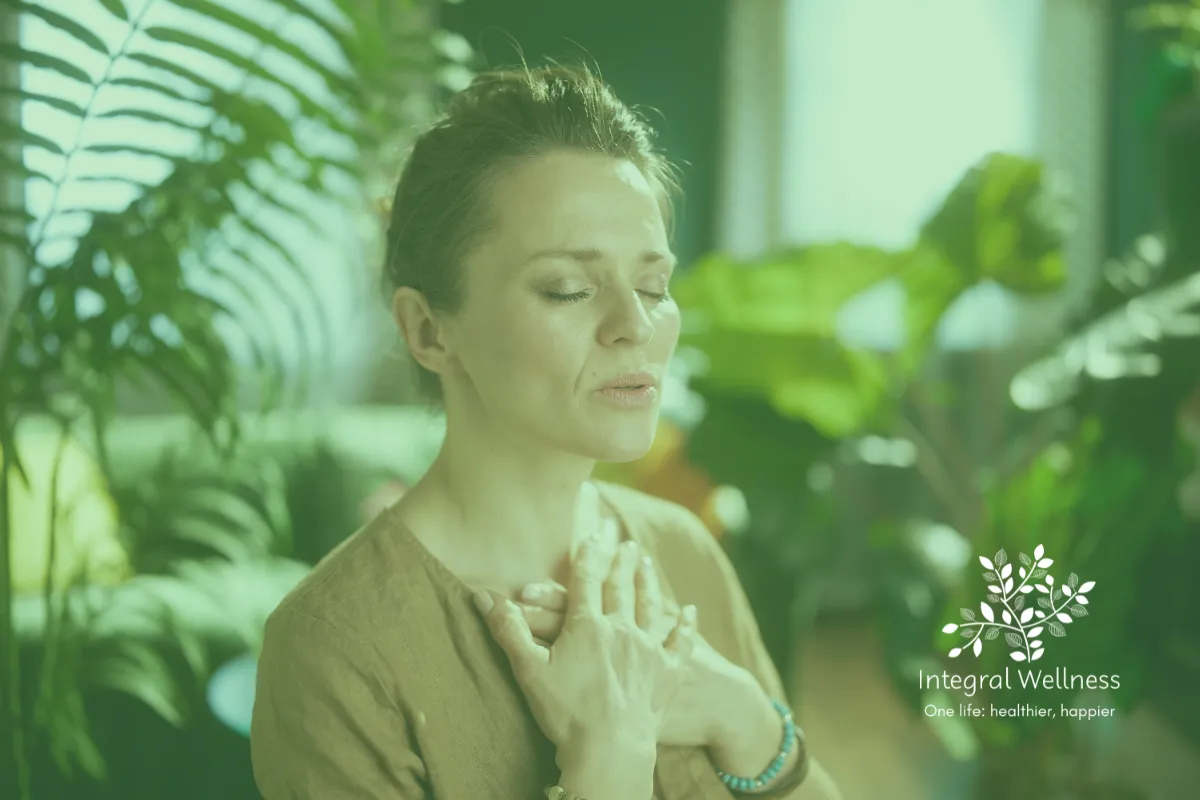
Why Recovery Is Essential for Strength and Longevity
Many people believe that improving fitness simply means exercising more often or working harder during workouts.
Effort and consistency matter, but recovery is an equally essential part of progress.
Recovery is the process through which the body repairs and strengthens itself after physical activity. When muscles are challenged during exercise, small microscopic stress occurs within the muscle fibers.
During recovery, the body rebuilds these fibers stronger than before. Without adequate recovery, the body cannot adapt effectively.
For adults over 45, recovery becomes even more important. As the body ages, tissues may take slightly longer to repair and regenerate.
Ignoring recovery can lead to fatigue, soreness or even injury. A balanced approach supports long term progress and helps people stay active with confidence.
Sleep Supports Repair and Hormone Balance
Sleep is one of the most powerful recovery tools. During deep sleep, the body releases growth hormones that support tissue repair. Quality sleep also helps regulate stress hormones and restore energy.
Most adults benefit from seven to eight hours of sleep per night. Consistent sleep patterns support steadier energy, better mood and improved physical performance.
Nutrition Fuels the Recovery Process
Nutrition plays a major role in how well the body recovers. Protein supports muscle repair, while carbohydrates help replenish energy stores. Balanced meals following exercise help the body recover more efficiently.
Hydration supports circulation and helps deliver nutrients to recovering tissues. Even mild dehydration can slow recovery and increase fatigue.
Gentle Movement Helps the Body Heal
Movement can also support recovery. Gentle activities such as walking, stretching or mobility exercises increase blood flow and help reduce muscle stiffness. Active recovery encourages the body to heal without placing excessive stress on muscles and joints.
Listening to the Body Builds Longevity
Another important factor is listening to the body’s signals. Persistent fatigue, soreness that does not improve or declining performance can indicate the need for additional recovery time.
Training programs that balance effort with recovery tend to produce better long term results. When exercise and recovery work together, the body becomes stronger, more resilient and better prepared for future challenges.
Recovery is not a sign of weakness or inactivity. It is an essential part of building lasting strength and maintaining an active lifestyle.
Meditation Supports Mental Recovery
Recovery is not only physical. Meditation can improve how people respond to challenges. Instead of reacting automatically to stress, meditation helps create a small pause between stimulus and response. This pause allows for more thoughtful decisions and calmer communication.
For beginners, the most important factor is consistency. Practicing five minutes per day is far more beneficial than trying to meditate for long periods only occasionally.
Attaching meditation to an existing routine can make the habit easier to maintain. For example:
practicing after waking up
taking a few minutes during lunch
meditating before bedtime
These small moments gradually build a habit that supports mental clarity and emotional balance.
Over time, those few minutes can become one of the most supportive habits for managing stress and maintaining mental well‑being.
