Why Core Strength Becomes Essential After 50
Back discomfort becomes more common as adults move through their forties, fifties, and beyond. Many people assume this discomfort is simply part of aging, but in many cases the real issue is not age itself. It is a gradual loss of core strength and stability.
Understanding What the Core Really Is
The core is often misunderstood. Many people associate it only with abdominal muscles or traditional exercises like sit ups.
In reality, the core is a complex group of muscles that includes the abdominals, lower back, hips, and deep stabilizing muscles surrounding the spine.
These muscles work together to support posture, protect the spine, and help the body move efficiently.
When the core weakens, other muscles must compensate. This often leads to strain in the lower back, hips, or shoulders.
Everyday movements such as bending, lifting, or even standing for long periods can begin to feel uncomfortable.
For adults over 50, maintaining core strength becomes especially important because the spine naturally undergoes structural changes with age.
Discs lose some hydration, joints may become stiffer, and muscles that once supported posture may weaken. Strengthening the core helps counter these changes by improving spinal stability.
How Core Strength Supports Daily Life
A strong core allows the body to distribute force more effectively during movement. Instead of the lower back absorbing all the stress of lifting or twisting, the entire core system works together to support the movement.
Core strength also improves posture. Many people spend long periods sitting throughout the day, which can cause the shoulders to round forward and the lower back to lose its natural curve.
Weak core muscles make it difficult to maintain upright posture, which can increase tension in the neck and back.
Strengthening the muscles around the spine helps the body maintain better alignment. This reduces unnecessary strain and allows movement to feel smoother and more controlled.
Another benefit of core strength is improved balance. The core acts as the body’s central stabilizing system.
When it is strong, the body can respond more effectively to changes in balance, such as stepping onto uneven ground or catching oneself during a stumble. This stability is particularly important for preventing falls later in life.
The good news is that core training does not require extreme exercises or intense workouts.
Many effective core exercises focus on controlled movements that strengthen the deep stabilizing muscles of the spine.
Examples include:
bird dog movements
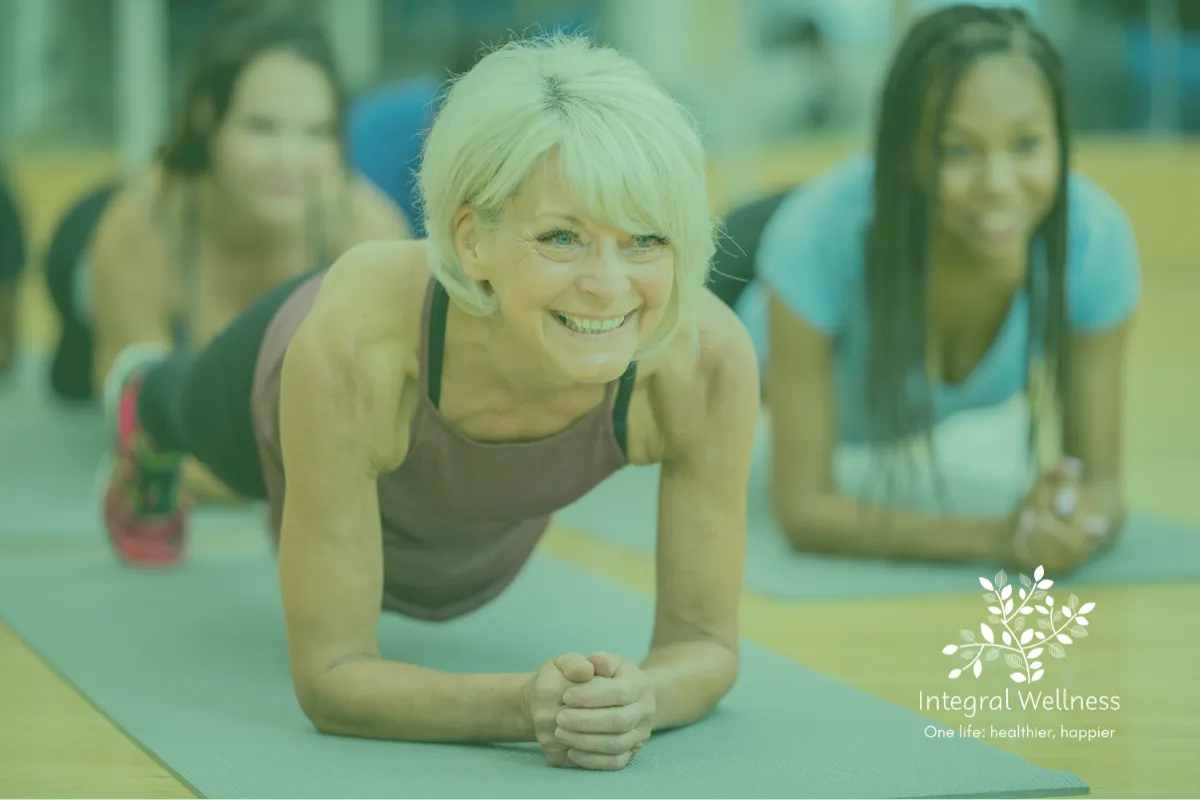
modified planks
controlled leg lifts
glute bridges
stability exercises using resistance bands
These exercises emphasize control rather than speed. The goal is not to push through large numbers of repetitions but to build strength gradually while maintaining proper alignment.
Consistency is far more important than intensity. A few short sessions each week can significantly improve core stability over time.
For many adults, guided training can be particularly helpful when beginning core work.
Proper technique ensures that the right muscles are engaged and prevents unnecessary strain on the back.
When core muscles function properly, the entire body benefits.
Posture improves, movement feels easier, and the spine receives the support it needs to remain healthy and resilient.
Core strength is not just about exercise performance. It is about building a stable foundation that allows the body to move safely and comfortably in everyday life.
