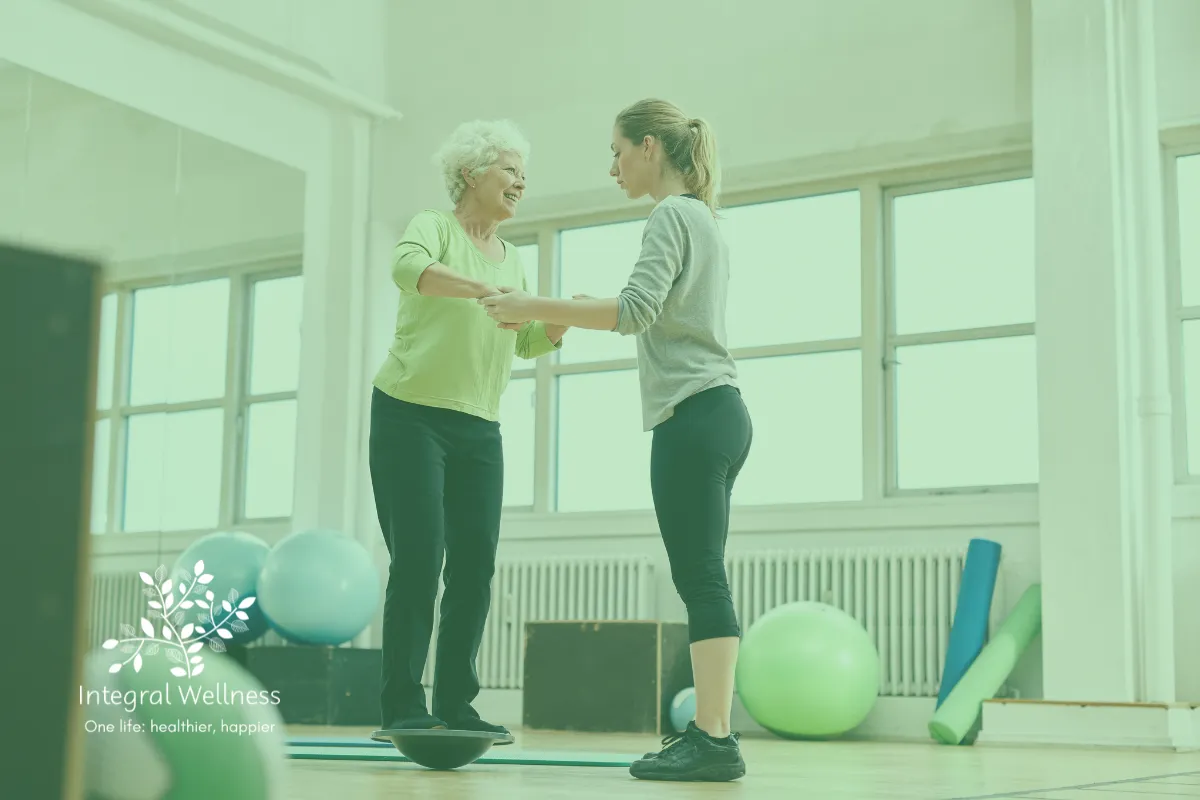
Why Balance Training Becomes Essential As We Age
Most people rarely think about balance until they notice it beginning to change.
Simple activities such as stepping off a curb, reaching for an object, or walking on uneven ground require the body to maintain stability. When balance declines, these movements can start to feel less secure.
For adults over 50, maintaining balance becomes an important part of staying active and independent.
Balance relies on several systems working together.
Muscles provide strength and stability. The inner ear helps detect changes in position. Vision provides information about the surrounding environment.
The nervous system coordinates all these signals to maintain stability.
But as we age, small changes can occur in each of these systems.
Muscle strength may decrease, particularly in the legs and hips. Reaction time may slow slightly. Joint mobility can become limited.
These changes make the body less responsive when balance is challenged.
Fortunately, balance can be improved with training.
Balance exercises stimulate the nervous system and strengthen the muscles responsible for stability.
Simple movements such as standing on one leg, heel-to-toe walking, or controlled stepping patterns encourage the body to adapt and improve coordination.
Strength training also supports balance.
Strong leg and hip muscles provide the foundation needed to stabilize the body during movement. Exercises like squats, step-ups, and lunges strengthen the muscles that help maintain stability.
Mobility also plays an important role.
When joints in the ankles, hips, or spine become stiff, the body has fewer options for adjusting when balance is challenged. Improving mobility helps restore these movement options.
Balance training does not need to be complicated.
Many effective exercises are simple and can be practiced regularly at home or in structured training sessions.
The key is consistency.
Even a few minutes of balance practice several times per week can improve stability and confidence over time.
Improved balance has benefits beyond fall prevention.
When people feel more stable, they tend to move more freely. This increased movement further strengthens muscles and improves overall health.
Confidence improves.
When balance improves, people often feel more comfortable participating in physical activities they enjoy.
Maintaining balance is not about performing advanced exercises. It is about preserving the body's ability to react quickly and stay stable during everyday movements.
With regular practice, balance can remain strong and supportive throughout the aging process.
