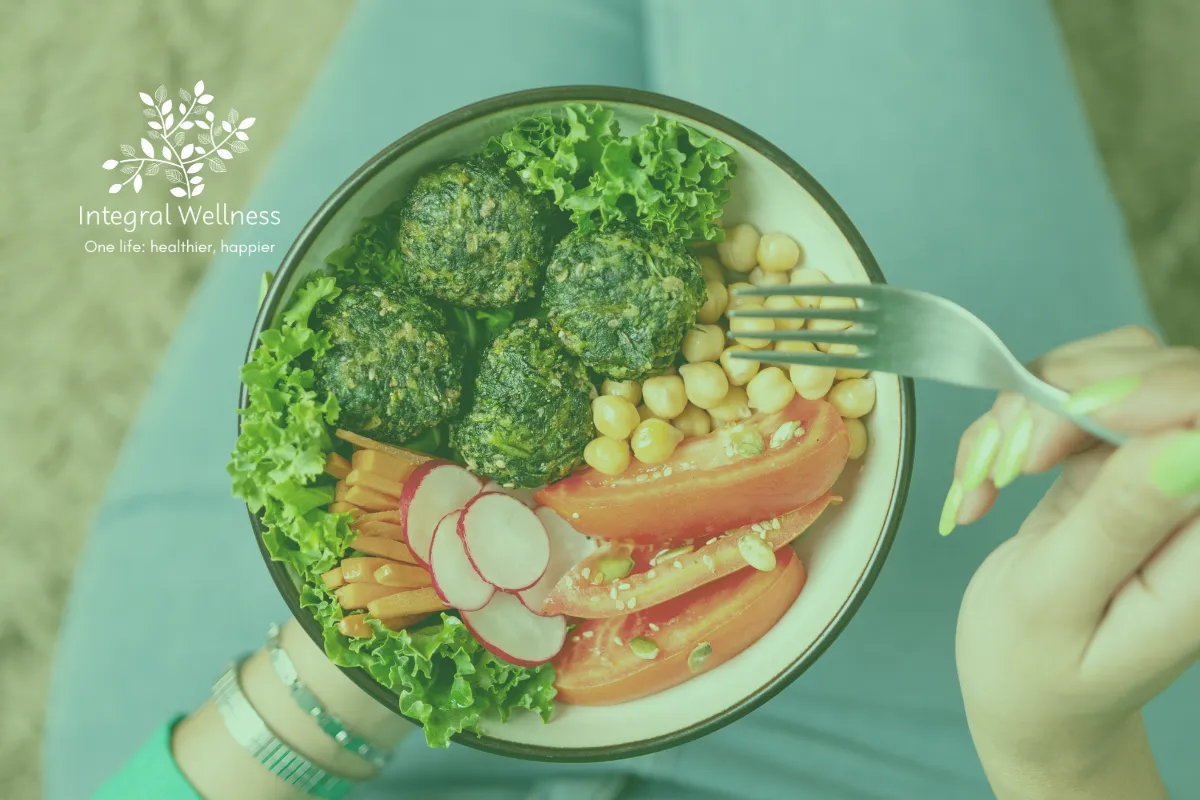
Thinking About Eating More Plant-Based After 40? Here’s What You Should Know
Interest in plant-based eating has grown steadily, especially among adults looking to support heart health, digestion, and overall well-being.
At the same time, many people over 40 wonder whether eating more plant foods will provide enough energy, protein, and nutrients to meet their needs. This is a valid concern. The answer is not one-size-fits-all.
Plant-based eating does not have to mean giving up animal products entirely. For many adults, it simply means shifting the balance of meals to include more plant foods while still supporting strength, energy, and long-term health.
Protein Needs and Muscle Health After 40
As we age, maintaining muscle mass becomes increasingly important. Muscle plays a key role in metabolism, balance, strength, and independence. Protein intake is essential for preserving muscle, and plant-based protein sources can absolutely contribute.
Foods such as legumes, lentils, beans, tofu, tempeh, nuts, seeds, and whole grains all provide protein along with fiber, vitamins, and minerals. While individual plant foods may contain less protein per serving than animal products, combining different sources throughout the day can easily meet protein needs.
The focus should be consistency and variety rather than perfection.
Feeling Full and Energized on Plant-Based Meals
One common concern with plant-based eating is feeling less full or less energized. In most cases, this comes down to meal composition rather than plant foods themselves.
Meals that include:
A clear protein source
Fiber-rich carbohydrates
Healthy fats
tend to be more satisfying and help stabilize blood sugar levels.
For example, a meal built around lentils, vegetables, olive oil, and whole grains will feel very different than a plate of vegetables alone. Balanced meals support steady energy rather than spikes and crashes.
Digestive Health and Fiber
Plant-based eating can strongly support digestive health. Fiber-rich foods feed beneficial gut bacteria, which play a role in digestion, immune function, and even energy levels.
Many adults notice improvements in digestion, regularity, and comfort when plant foods are increased gradually and intentionally. However, moving too fast can lead to bloating or discomfort.
A gradual approach allows the digestive system time to adapt. Increasing fiber slowly, drinking enough water, and chewing food well all make a difference.
Nutrients to Pay Attention To
When plant-based eating significantly reduces animal products, certain nutrients deserve closer attention.
These include:
Vitamin B12
Iron
Calcium
Omega-3 fats
These nutrients can be obtained through thoughtful food choices and, when appropriate, supplementation. Paying attention to nutrient balance helps ensure that plant-based eating supports long-term health rather than undermines it.
A Balanced Approach That Lasts
Plant-based eating after 40 is not about following trends or strict rules. It is about choosing foods that support energy, strength, digestion, and enjoyment over time.
When approached with flexibility and balance, plant-based eating can be a sustainable and nourishing option that fits real life.
